
The initiative
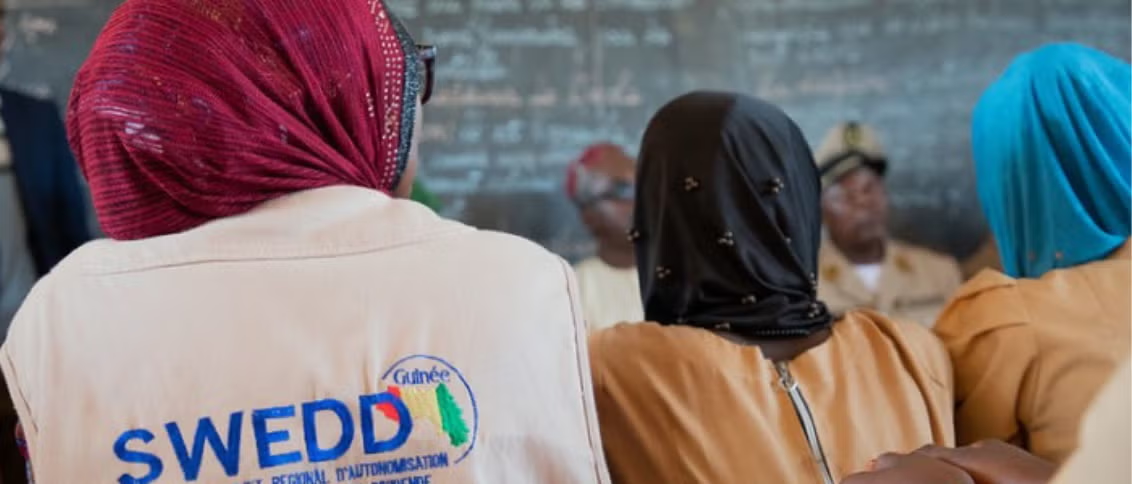
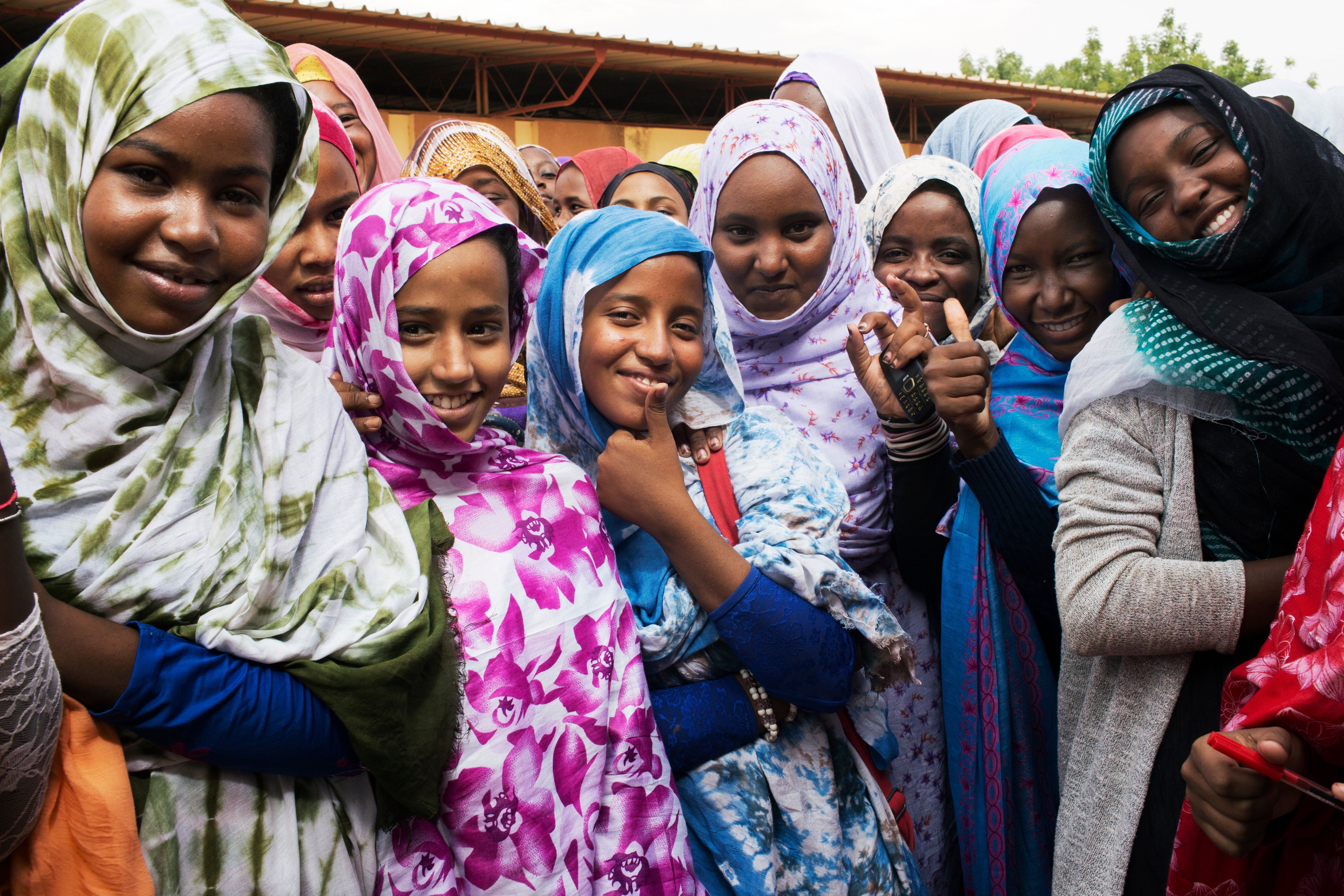
The regional initiative for sub-Saharan Africa Women's Empowerment and the Demographic Dividend (SWEDD) is a concerted response by the World Bank and the United Nations to the call for action made in 2013 by the Heads of State on the demographic challenges in the Sahel. The programme aims to address development challenges through the empowerment of women and girls in the region. The project now extends beyond the Sahel to support other countries in sub-Saharan Africa.
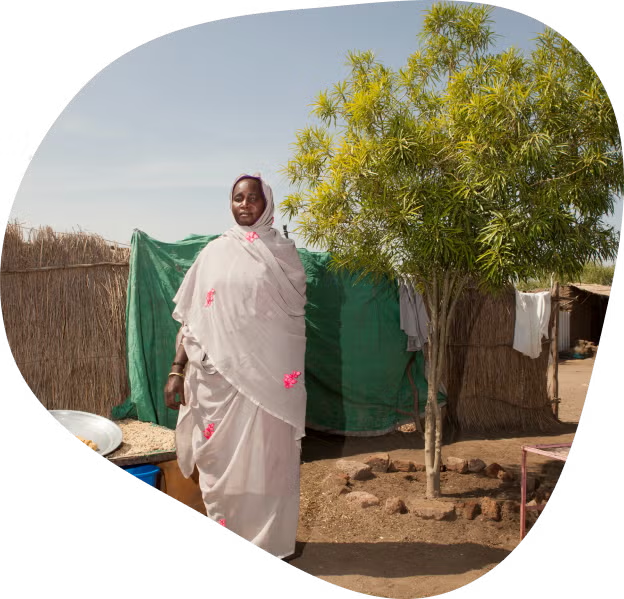
Transforming sub-Saharan Africa through the empowerment of women and girls
Launched in 2015 in Niamey, the SWEDD project aims to reduce gender inequalities in sub-Saharan Africa, accelerate the demographic transition (bringing high mortality and fertility rates down) and to reap the demographic dividend, i.e. to take advantage of the potential for economic growth that can result from involving the entire working-age population, mainly women.
The SWEDD programme has now been extended beyond the Sahel to support 12 countries in sub-Saharan Africa, including Benin, Burkina Faso, Cameroon, Chad, Côte d'Ivoire, Gambia, Guinea, Mali, Mauritania, Niger, Senegal and Togo.
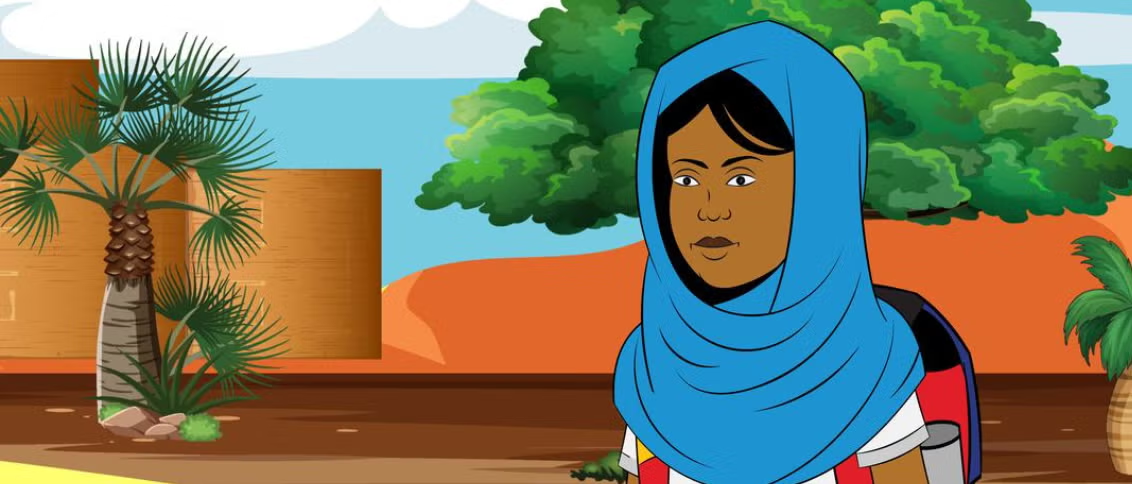
The project focuses on strengthening human capital and promoting better learning outcomes for girls, reducing child marriage, reducing early pregnancy and increasing women's incomes and financial autonomy. The project mainly targets vulnerable adolescent girls aged 10 to 19 and aims to improve their level of empowerment, education and access to quality reproductive, maternal, newborn, child and nutritional health services (RMNCNH).
SWEDD focuses on the following themes:
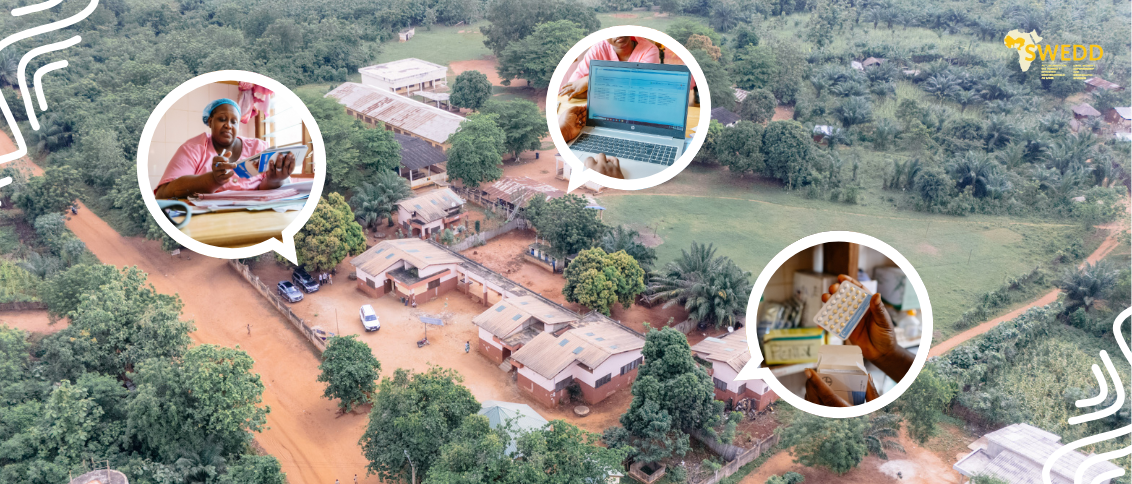
- Improving life skills and sexual and reproductive health awareness among adolescents and strengthening the capacity and availability of RMNCNH products and qualified health workers to provide appropriate services to young girls and adolescents.
- Keeping girls in school.
- Broadening economic prospects by encouraging girls and women to take up higher-paying jobs.
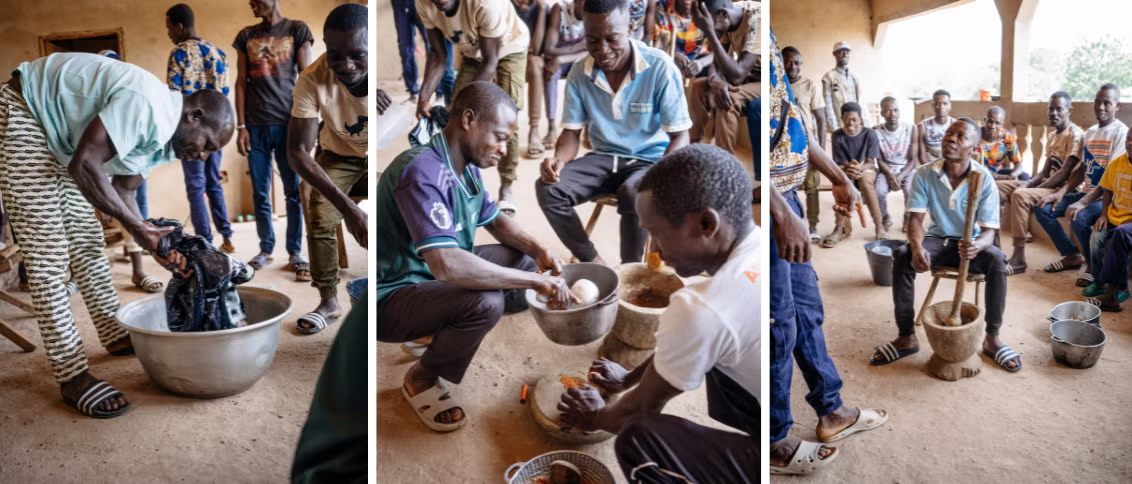
- Creating an environment conducive to the social and economic empowerment of girls and young women and the elimination of gender-based violence.
The aim is to enable the main beneficiaries – women and girls – to be autonomous and to be able to make decisions that will contribute to the development of their communities in a sustainable way.
The SWEDD project is funded by the World Bank and implemented by national structures, with technical support from the United Nations Population Fund (UNFPA), the West African Health Organisation (WAHO, part of ECOWAS), the Economic Community of Central African States (ECCAS) and the African Union (AU). It places particular emphasis on improving knowledge management, building capacity and regional coordination